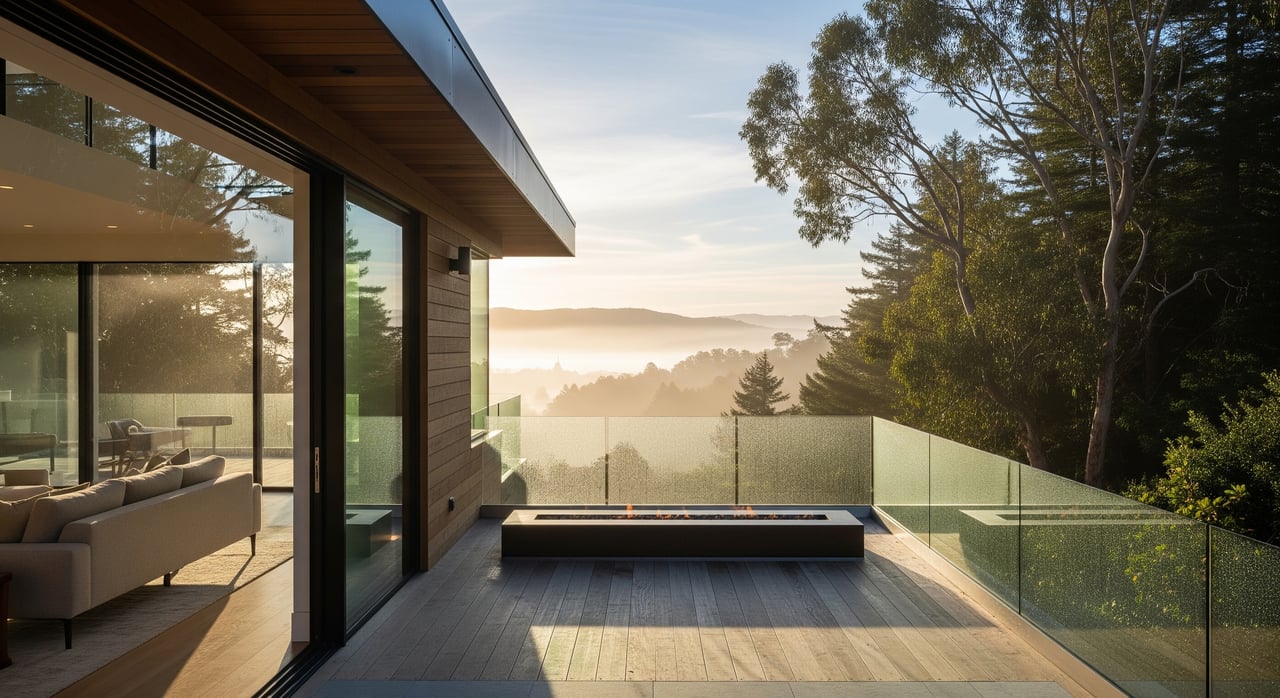
Ever notice how one Mill Valley street can sit in soft fog while the next block basks in warm sun? If you’re buying or selling here, those shifts are more than a mood. They shape your daily comfort, outdoor living, energy use, and even long‑term maintenance. In this guide, you’ll learn why Mill Valley has so many microclimates, what sun and fog mean for your lifestyle, and how to evaluate any property’s exposure with confidence. Let’s dive in.
Why Mill Valley has microclimates
Marine layer and coastal fog
Mill Valley sits near the Golden Gate where cool, moist ocean air moves inland. That marine layer often forms fog that slides through gaps and settles into bayside valleys overnight and in the early morning. On many days, the fog burns off by mid to late morning. In summer, it can linger, creating the classic “June gloom.”
Lower elevations and areas aligned with the bay tend to see more fog. Sheltered or inland‑facing spots usually warm faster and enjoy more continuous sun.
Mount Tamalpais and local ridges
Mount Tamalpais and smaller ridges carve the area into a mosaic of sun and shade. Orientation matters. Leeward slopes and recessed pockets that face away from prevailing onshore flow are often warmer and brighter. Small changes in elevation can make a big difference in sun hours and wind.
In Mill Valley, a hundred feet of elevation or a slight shift in slope can change how quickly fog clears and how warm afternoons feel. That’s why two homes only a few blocks apart can live very differently.
Wind corridors and seasons
Cold ocean air funnels through the Golden Gate and local valleys. Homes aligned with these corridors feel stronger winds and more fog intrusion. Protected pockets get lighter winds and more usable outdoor time.
Seasonality matters. Summers are dry and fog‑prone near the bay, while inland‑facing and elevated areas warm up in the afternoons. Winters bring most of the rain, cooler temperatures, and at times brisker winds at elevation. Year to year, patterns vary, but the sun‑fog contrast across town is a constant.
What sun and fog mean for daily life
Comfort and outdoor time
Sunnier, sheltered pockets offer earlier morning light and warmer afternoons, which means more days on the deck and longer garden hours. Foggy, bayside areas tend to have cool, damp mornings and fewer uninterrupted sunny stretches. Neither is “better.” It comes down to how you like to live and entertain.
Energy and HVAC
Cooler, foggier homes often need less cooling in summer, but you may run the heat more on chilly mornings. Sunnier homes have stronger passive solar gain, which can help with winter warmth, though heat waves can mean short bursts of cooling. Your insulation, window orientation, and HVAC type will determine actual costs.
Solar potential
South and west roof planes in sunny pockets typically yield more solar production. Frequent fog or shading from trees and nearby ridges reduces output. For a specific property, request a site assessment or use a solar modeling tool to estimate generation.
Moisture and maintenance
Fog‑exposed homes need vigilant moisture control. Prioritize ventilation, crawlspace and basement checks, and materials that resist rot and mildew. Exterior paint, decks, and siding in foggy zones can weather faster. Regular roof, gutter, and drainage maintenance pays off.
Landscaping and gardening
Cooler, foggier microclimates favor moisture‑loving and shade‑tolerant plants. Sunnier, warmer pockets support Mediterranean and California native choices, fruit trees, and productive vegetable gardens. Match your plant list and irrigation plan to the site’s sun and wind rather than the neighborhood name alone.
Outdoor amenities and design
Decks and patios oriented toward sun get more use across the year. In foggy or windy spots, consider wind screens, covered outdoor rooms, or moving seating to a leeward nook. In a hilly coastal town, orientation affects how you live as much as square footage does.
Wildfire and defensible space
Sunnier, drier slopes and upland areas can have higher wildfire risk than damp, bayside pockets. Follow local defensible‑space guidelines, manage vegetation, and ask for hazard zone maps and fire‑safety inspections. Microclimate awareness is part of a complete risk plan.
Neighborhood patterns in Mill Valley
A quick mental map
Mill Valley sits between Mount Tamalpais and Richardson Bay, and that geography drives big differences over short distances. Bayside and creek‑adjacent areas skew cooler and foggier. Mid‑valley neighborhoods mix exposures. Slopes and ridgelines, especially those facing inland or south, trend sunnier and warmer.
Within any neighborhood, small pockets can flip the script. A single ridge or shift in orientation can change everything from wind to sun hours.
Country Club’s sunnier pockets
The Country Club, Sequoia, and Old Mill area includes both sheltered, sun‑favored slopes and lower, riparian spots that hold cooler air. When you hear “a sunnier pocket,” it usually means earlier fog clearing, warmer afternoons, and more usable exterior space across the year. Those qualities can attract buyers who prize outdoor living.
If you’re valuing a property with standout sun exposure, look at nearby sales in the same micro‑pocket to confirm any pricing impact. Sun often pairs with views and livable yards to drive demand, but the best proof is hyper‑local comps.
Other micro‑neighborhood tendencies
- East and central Mill Valley, including areas near Old Mill and Homestead Valley, offer a mix of exposures. Some slopes enjoy generous sun while lower streamside spots tend to be cooler.
- Blithedale, Throckmorton, and shoreline‑adjacent zones are often cooler and more fog‑touched with a bit more wind.
- Homestead and Almonte up the hill can be sunnier and drier, especially on southerly aspects.
Treat these as starting points. Verify each home’s conditions on site.
How to evaluate a home’s microclimate
On‑site checklist
- Visit early morning, mid‑afternoon, and evening to see fog, sun, and wind patterns.
- Note orientation from main living spaces and decks. South gets more winter sun. West runs warmer on summer afternoons.
- Look for shade from trees, nearby ridges, and neighboring buildings.
- Check for moisture signs: stained siding, moss on steps, black streaks, musty smells in corners.
- Feel the wind. Even a gentle cross‑valley breeze can chill a deck.
Smart questions to ask
- How often does fog linger at this property in summer mornings?
- Any history of moisture remediation, mold, or rot? How old are the roof and siding?
- Has anyone assessed the roof for solar orientation and shading?
- What defensible‑space steps are in place? Any local fire‑hazard reports or inspections?
- Can you share comps from the same micro‑pocket rather than the broad neighborhood?
Inspections to request
- Moisture readings in crawlspaces, attics, and basements, plus ventilation checks.
- Roof orientation and shade analysis for solar feasibility.
- HVAC testing or thermal imaging if you are sensitive to indoor comfort.
- Vegetation and defensible‑space evaluation as part of fire‑safety planning.
Search strategy with your agent
- Use keywords for orientation and exposure: “south‑facing,” “sunny deck,” “sheltered.”
- Ask for elevation and lot aspect when available.
- Filter comps down to the micro‑area to reflect sun and wind differences.
- If outdoor living is a top priority, schedule showings at times that highlight fog clearing and afternoon warmth.
How microclimate can influence value
Sun, views, and outdoor livability are features many buyers prize, which can boost demand. Fog‑moderated homes also appeal to buyers who want stable temperatures and proximity to the bay. The key is fit. To gauge price impact, compare recent sales within the same micro‑pocket and confirm with an agent who works these streets daily.
Avoid blanket assumptions. A warm, sunny yard may be worth a premium for one buyer and feel too hot for another. Let the way you live guide your priorities.
Match microclimate to your lifestyle
- Choose a sunnier pocket if you host outdoors often, want robust solar potential, or like warm afternoon light.
- Choose a fog‑moderated area if you prefer cool mornings, lower summer cooling needs, and quick access to bayside paths.
- If you want the best of both, look for sheltered slopes with morning sun and modest afternoon wind.
In Mill Valley, microclimate is a core part of home fit. A thoughtful, on‑site approach will help you find the right match.
Ready to find your fit?
Deciding between a fog‑kissed creekside home and a sun‑splashed slope is easier when you know what to look for. If you want help evaluating sun hours, outdoor potential, and maintenance implications across specific micro‑pockets, reach out. The Scott Wickham Team pairs deep Mill Valley roots with personalized, white‑glove guidance to help you land the right home, at the right value.
FAQs
How do Mill Valley’s microclimates form?
- Cool, moist ocean air moves inland through gaps like the Golden Gate, and Mount Tamalpais plus local ridges create sheltered and exposed pockets that vary block by block.
What does a “sunnier pocket” mean in Country Club?
- It usually indicates earlier fog clearing, warmer afternoons, and more usable outdoor time compared with nearby lower, creek‑adjacent spots that hold cooler air.
Will a sunnier Mill Valley home cut my energy bills?
- It can help with passive solar warmth and solar production, but savings depend on insulation, windows, shading, HVAC efficiency, and your comfort settings.
Are foggier, bayside areas less desirable for buyers?
- Not necessarily. Many buyers value cooler, steady indoor temps and the bayside setting; preferences are personal and depend on lifestyle.
How can microclimate affect home value in Mill Valley?
- Sun, views, and outdoor livability can drive demand, but confirm any premium using comps from the same micro‑pocket and advice from a local specialist.
What should I inspect in fog‑exposed homes?
- Focus on ventilation, moisture readings, crawlspaces and basements, exterior finishes, and drainage, plus a defensible‑space review for fire safety.
