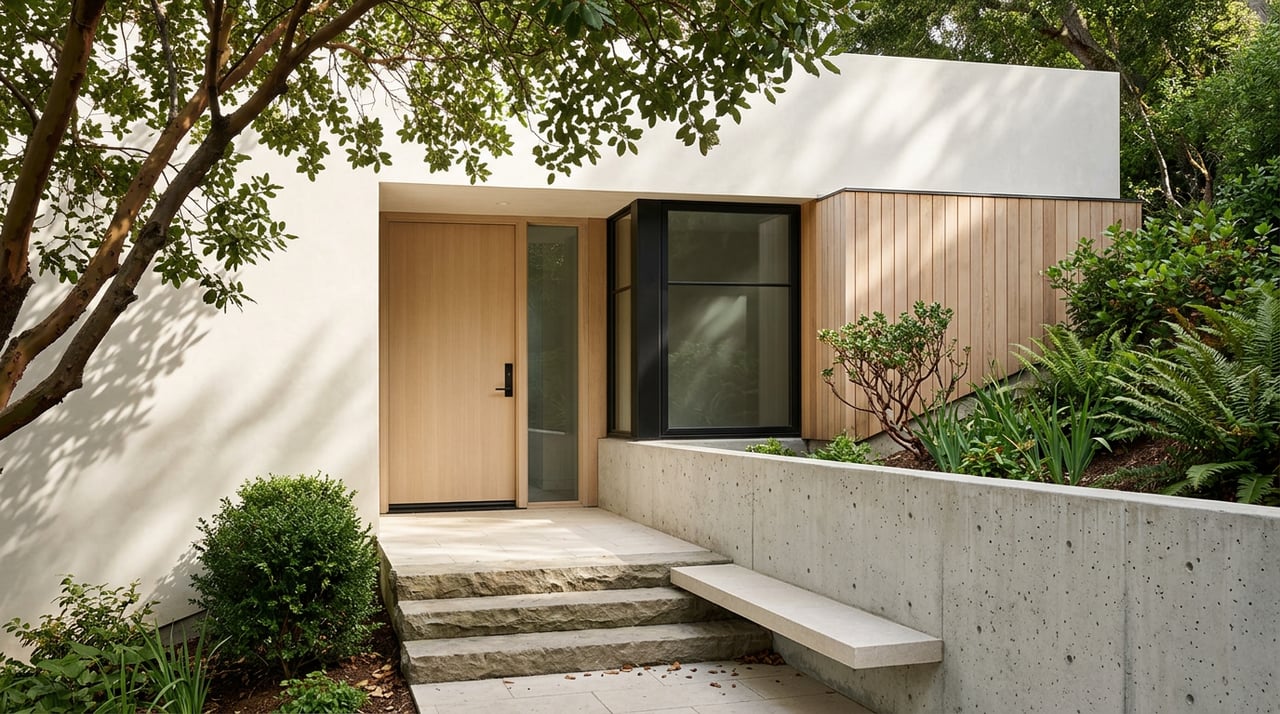
Picture yourself waking to filtered sun through redwoods, coffee on a wraparound deck, and a quick drive down the hill for brunch on Throckmorton. If that balance of privacy and access sounds like your sweet spot, Middle Ridge and Mill Valley’s canyons deserve a close look. In this guide, you’ll get a clear view of price bands, what living on a hillside really means, how wildfire and permitting affect your plans, and the offer strategies that help you win the right home. Let’s dive in.
Neighborhood snapshot: Middle Ridge and the canyons
Middle Ridge rises above downtown Mill Valley between the Blithedale and Cascade canyon drainages. The broader canyon area features steep, redwood canopies, seasonal creeks, and ridge parcels with Mount Tamalpais or bay views. You get quiet forested privacy with quick access to shops and restaurants below. For a local overview, explore this concise summary of the area’s character and terrain on the Scott Wickham site: Middle Ridge, Blithedale and Cascade canyon overview.
Who this area best suits
You’ll appreciate these neighborhoods if you value privacy, larger footprint lots, and multi‑level homes with expansive decks. Proximity to Mount Tam trails is a daily lifestyle perk. If you need single‑level living, large flat lawns, or frequent heavy‑vehicle access for major projects, you may want to narrow your search to specific streets or parcels that offer easier access and more usable yard space.
What luxury means here: 2026 price bands
Luxury looks different in the canyons than it does closer to the flats. Recent neighborhood data and listing mixes place these areas well above Mill Valley’s citywide median. While values shift month to month, here is a practical frame as of early 2026. Always verify with recent MLS comps for a specific address.
- Entry canyon homes: roughly $1.5M to $2.5M for smaller or modestly updated hillside cottages.
- Mid‑luxury: roughly $2.5M to $4.0M for larger or remodeled homes, often with outlooks or partial views.
- High‑end and custom view properties: roughly $4.0M to $8.0M+. Exceptional trophy homes can reach the high‑single or multi‑million range in rare cases.
Competition varies by season and listing quality. Turnkey view homes can draw multiple offers, while unique hillside properties with project scope may see more selective interest. A data‑driven pricing and offer plan tailored to each home is essential.
Homes, lots and what to expect
Architecture and layout
You’ll see an appealing mix: preserved redwood cabins modernized with luxury finishes, mid‑century and contemporary hillside rebuilds, and fully custom homes. Large windows, indoor‑outdoor decks, and timber or stone accents are common. Floor plans often stack vertically and connect to the outdoors through multiple decks and patios.
Site realities on the hillside
- Steep grading, terraced gardens, retaining walls, and elevated decks are typical. Many parcels sit near seasonal creeks that feed the local watershed, including the Arroyo Corte Madera del Presidio.
- Expect multi‑level circulation: stairs from the street to the front door, interior split levels, and decks on piers. Flat yard space is limited on many ridge and mid‑slope parcels.
- Microclimates vary. Canyon‑floor sites under deep redwoods can feel cooler and damper, while ridge and upper‑slope homes usually get more sun and broader views.
Maintenance to budget for
Hillside living comes with a specific punch list. Pay close attention to roofing and flashing under the canopy, persistent damp or mold potential on shaded sites, drainage patterns after storms, and the condition of foundations and retaining walls. In older homes, sewer laterals may be clay with possible root intrusion. During due diligence, pull the City’s building history files and resale records to understand past permits and corrections.
Access, daily life and emergency readiness
Many canyon and mid‑ridge homes are a short walk or a few minutes’ drive to Lytton Square and downtown. Upper‑ridge parcels are still close, typically 5 to 12 minutes by car, but the last stretch often includes narrow, winding roads. Walkability and commute time depend on where you are on the slope and how comfortable you are with hillside driving.
Emergency access is a real consideration. The City’s hazard planning highlights steep slopes, narrow roads, and limited egress in parts of the canyons and ridge areas. Vegetation management and paved‑road fuel‑reduction projects are ongoing to improve conditions. Review the City’s official Safety Element for context on road width, clearances, and fire‑access priorities: Mill Valley Hazards & Public Safety Element.
Wildfire, defensible space and insurance
Substantial portions of the hills around Middle Ridge and the canyons sit within state‑mapped Wildland‑Urban Interface zones. Many addresses fall into High or Very High Fire Hazard Severity Zones. As a buyer, you should:
- Check your target address on the state’s interactive viewer to confirm current mapping: California Fire Hazard Severity Zone map.
- Get early quotes from your insurance broker. Underwriting and premiums can vary by carrier and can affect your budget and timing.
- Plan for defensible space and home‑hardening work. Local agencies provide guidance and inspections, and sometimes grants, to help homeowners meet standards. Learn more through the Marin Wildfire Prevention Authority and Southern Marin Fire’s updates on defensible space and hardening: SMFD defensible space and home‑hardening programs.
Remodels and permits: cost and timing drivers
Remodels and additions on steep parcels are doable, but they demand planning. Work that includes significant grading, retaining walls, deep piers, or driveway reconfiguration often triggers a grading permit and a design‑level geotechnical report. Start scoping with your contractor and architect early, and review Marin County’s grading thresholds: Marin County Public Works: Grading Permits.
Mill Valley also enforces a winter grading moratorium from roughly October 15 to April 15, and tree‑removal permits and heritage‑tree rules can add review time. Build these seasonal and tree constraints into your project calendar and offer strategy. The City’s Planning & Building FAQ is a helpful reference: Mill Valley Planning & Building FAQ.
Typical hillside cost drivers
- Site access and logistics: hauling, staged deliveries, and cranes or hoists on narrow streets.
- Geotechnical and structural work: piles or caissons, engineered retaining walls, soil‑nail systems.
- Erosion and drainage controls, plus environmental compliance where required.
- Tree work, vegetation management, and habitat mitigation.
High‑end Bay Area remodels typically run well above national averages. Luxury whole‑house projects often start around $500+ per square foot and can reach into the high six figures or millions depending on scope and site complexity. For context on current regional costs, see this overview: Bay Area home renovation cost per square foot.
How to compete for standout homes
In active periods, the $3M+ tier can be competitive, especially for turnkey view homes. Tactics that often help:
- Be document‑ready. Have full underwriting or proof of funds prepared. Sellers in the luxury tier value clean, reliable closings.
- Tighten timelines thoughtfully. Shorter inspection windows, strong earnest money, and clear but reasonable contingencies show commitment while protecting you. Use escalation clauses only when data supports them and your risk tolerance allows.
- Offer seller‑friendly terms. Flexibility on possession or a rent‑back can stand out.
- For complex hillside properties, keep inspections in the plan. Negotiate access and timelines rather than waiving critical due diligence. Have your agent coordinate with your attorney as needed on contingency structure.
Accelerate due diligence
Assemble your team early so you can move fast on the right home: a local luxury buyer’s agent, geotechnical and structural consultants, an experienced hillside contractor or estimator, an arborist, and an insurance broker. You can also plan early defensible‑space and home‑hardening scoping with local resources through the Marin Wildfire Prevention Authority.
Buyer checklist: Middle Ridge and the canyons
Use this list to evaluate a property before writing an offer:
- Confirm the current fire‑hazard designation and start insurance quotes early using the state FHSZ map.
- Pull the City’s Building History File or Residential Building Record to review permits and note any unpermitted work via the Mill Valley Planning & Building FAQ.
- Order a topographic or ALTA survey for steep lots where boundaries and building envelopes matter.
- Commission a pre‑offer constraints check on top targets: a brief geotechnical and drainage review plus structural and roof evaluations. For grading and geotech expectations, see Marin County Grading Permits.
- Ask the seller for records of tree removal, vegetation management, and participation in Southern Marin Fire or MWPA programs. Review SMFD updates here: Defensible space and home‑hardening programs.
- Verify access, parking, and driveway or turnaround dimensions for moving trucks, deliveries, and emergency apparatus. The City’s Safety Element outlines road and access constraints: Mill Valley Hazards & Public Safety Element.
- If you plan a remodel, request early contractor ranges that include potential retaining‑wall or pile work and hauling logistics. For budgeting context, check regional cost insights: Bay Area remodel cost overview.
Ready to explore Middle Ridge and the canyons with a local, white‑glove advisor who can source both on‑ and off‑market options, coordinate due diligence, and guide you to a confident decision? Start your personalized search with the Scott Wickham Team.
FAQs
What is the lifestyle like in Mill Valley’s canyons and Middle Ridge?
- Expect quiet, wooded privacy, multi‑level homes with decks, and fast access to downtown and Mount Tam trails. Walkability and drive times vary by where your home sits on the slope.
How much do luxury homes cost in Middle Ridge and the canyons?
- As of early 2026, entry cottages often range from $1.5M to $2.5M, mid‑luxury from $2.5M to $4.0M, and high‑end custom or view homes from $4.0M to $8.0M+, with rare trophy sales above that.
Are these neighborhoods in wildfire hazard zones?
- Many addresses fall within state‑mapped High or Very High Fire Hazard Severity Zones. Check any property on the state viewer and get insurance quotes early to understand coverage and cost.
What permits or rules affect canyon remodels?
- Significant grading, deep foundations, or driveway changes often require grading permits and geotechnical reports. Mill Valley’s winter grading moratorium and tree‑removal rules can extend timelines.
How do narrow canyon roads impact daily life and safety?
- Narrow, winding streets can add a few minutes to trips and affect deliveries or construction access. The City prioritizes vegetation management and road clearance to support emergency access.
How can I make a strong offer on a top‑tier hillside home?
- Be fully pre‑approved or show funds, consider tighter but safe contingency timelines, offer seller‑friendly terms, and keep inspections focused on hillside essentials like structure, drainage, and access.
